


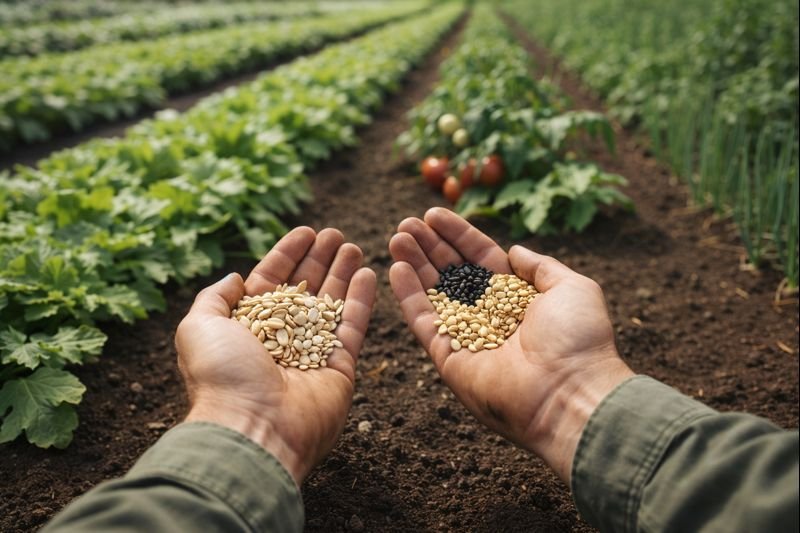
How to Choose the Right Vegetable Seeds for Your Climate and Market
Choosing the right vegetable seeds is one of the most important decisions in successful crop production. The right seed variety can significantly improve yield, quality, and market acceptance, while the wrong choice may lead to poor performance and economic losses.
1. Understand Your Climate Conditions
Climate plays a major role in seed performance. Temperature, humidity, and daylight length all affect plant growth. Some varieties are better suited for warm climates, while others perform best in cooler or controlled greenhouse environments.
2. Select Varieties Based on Market Demand
Before choosing a seed, it is important to understand the needs of your target market. Fruit size, color, shelf life, and resistance to transport stress are key factors that influence market value, especially in export-oriented production.
3. Focus on Performance and Stability
High-quality seeds should deliver consistent performance across different seasons. Proven hybrid varieties often offer better yield stability, uniformity, and resistance to common diseases.
4. Consider Local Growing Practices
Soil type, irrigation methods, and farming techniques vary from one region to another. Selecting seed varieties that adapt well to local practices ensures better results and reduces production risks.
5. Rely on Professional Expertise
Working with experienced seed specialists helps growers make informed decisions. Professional guidance ensures the selection of varieties that match both environmental conditions and commercial goals.
Conclusion
Choosing the right vegetable seeds is not only about availability, but about suitability, performance, and long-term success. With the right expertise and high-quality seeds, growers can achieve better yields and stronger market results.